Integrating Climate Change, Perinatal Mental Health and Disability and Inclusion into the BS Midwifery Curriculum in Pakistan
What does a midwife need to know to care for a woman during a heatwave? What changes when that woman has a disability? How should a midwife respond when pregnancy, birth or the postnatal period is accompanied by anxiety, trauma or depression? And how can essential sexual and reproductive health services be maintained when floods or other emergencies displace entire communities?
For midwives in Pakistan, these are increasingly questions of everyday practice.
In 2022, floods covered a third of the country and affected an estimated 650,000 pregnant women. Extreme heat, displacement, food insecurity and disruptions to health services are becoming part of the environment in which women give birth and midwives provide care. Midwifery education must prepare students for these realities, rather than leave them to develop the necessary skills once they enter practice.
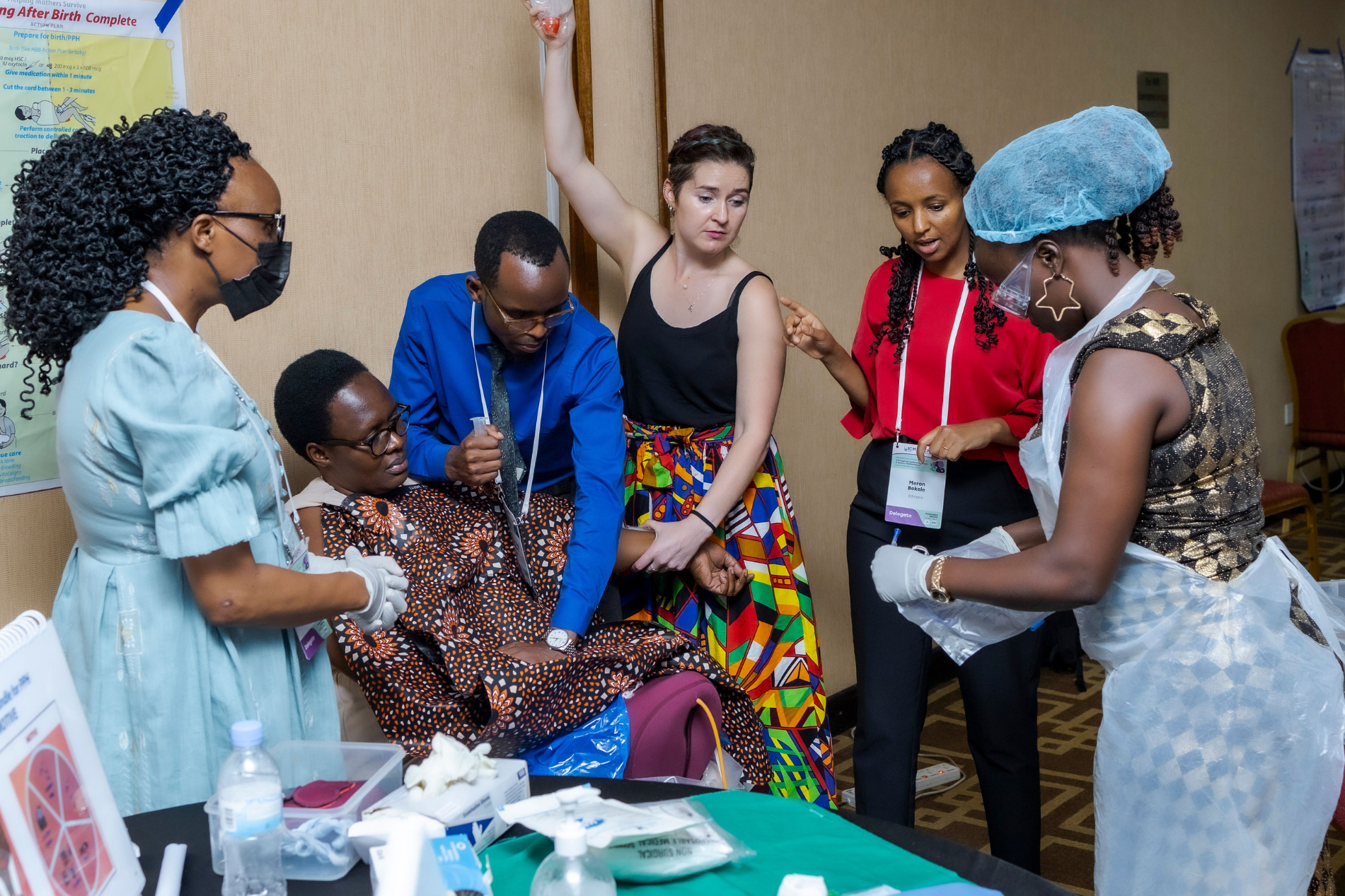
This July, Health Services Academy (HSA), International Confederation of Midwives (ICM) and UNFPA Pakistan brought together 31 midwifery and nursing educators for a four-day curriculum integration workshop in Islamabad. Representing 21 institutions across every province and region, participants included principals, heads of department and faculty responsible for delivering the curriculum.
Integrating new competencies into existing education
Pakistan’s BS Midwifery curriculum was developed by HSA with technical support from UNFPA and endorsed in 2024. It is competency-based and aligned with ICM standards. However, it did not systematically address disability or climate change, include perinatal mental health screening, or adequately cover humanitarian care beyond an optional elective.
The workshop took a practical approach: integrating content into existing courses rather than creating new courses or adding credit hours. Disability-inclusive care was incorporated into Respectful Maternity Care in semester 5. Mental health screening and referral were built into the Perinatal Mental Health course, while climate change and the Minimum Initial Service Package (MISP) for Sexual and Reproductive Health in crisis settings were integrated into Public Health for Midwives, both in semester 7.
Each change was mapped against the ICM
Essential Competencies for Midwifery Practice, with learning outcomes and assessment considered from the outset. Understanding a topic is not the same as being able to apply it. Students need opportunities to develop and demonstrate the skills required to care for women, newborns and families.
The four areas of integration bring distinct but interconnected competencies into midwifery education:
- Disability-inclusive maternity care moves beyond a general understanding of disability to examine the barriers women face when accessing services. Midwives need to understand rights, informed consent and non-discrimination, and adapt communication and care to individual needs. A woman who is hearing impaired, for example, may require a different approach to communication to ensure she can make informed decisions and participate fully in her care.
- Perinatal mental health education focuses on helping midwives recognise possible signs of depression, anxiety, trauma and other mental health concerns during pregnancy and after birth. Midwives are not expected to diagnose or treat these conditions. Their role is to create a safe space for conversations, identify concerns through appropriate screening, offer basic support and connect women with the right services. Knowing when and how to refer is essential.
- Climate change must also be understood as a maternal and newborn health issue, rather than a separate environmental topic. Extreme heat can affect pregnant and postpartum women and newborns, while floods can interrupt access to antenatal care, skilled birth attendance and emergency referrals. Air pollution, food insecurity, and climate-sensitive diseases bring further risks. Midwives need to recognise these risks, adapt care, counsel women and help maintain essential services during emergencies.
- Climate preparedness also needs to reflect local realities. A coastal community facing sea-level rise and extreme heat has different vulnerabilities from a district exposed to riverine flooding, drought or extreme temperatures. Faculty explored how to localise learning by mapping climate and humanitarian hazards in their own districts, identifying exposed communities and considering the implications for pregnant women, newborns and maternity services. They also identified potential local collaborators, including community health workers and Lady Health Workers, health facilities, district authorities, disaster management structures, community leaders and emergency services. This recognises the role midwives can play not only in clinical care, but also in community preparedness, referral planning and local disaster response.
- The fourth area, the Minimum Initial Service Package (MISP), prepares midwives to contribute to essential sexual and reproductive health services at the onset of a humanitarian crisis. This includes understanding priority interventions, referral pathways and how to maintain access to care when normal health systems are disrupted.
An important resource was UNFPA’s 2026
Programmatic Guidance to Position Midwives as Leaders and Frontline Providers in Humanitarian Response: Linking Strategy with Action. Developed with technical contributions from ICM and other partners, the guidance includes a consolidated set of MISP competencies for midwives in Annex A, aligned with the ICM Essential Competencies. It outlines the knowledge and clinical skills midwives need to contribute to life-saving MISP interventions.
From curriculum content to classroom practice
Each module was led by a specialist: a disability rights specialist, a psychologist and perinatal mental health educator, and ICM’s Humanitarian Engagement and Climate Advisor. The disability sessions also brought in expertise from organisations of persons with disabilities (OPDs), connecting curriculum discussions with disability rights and inclusion.
Faculty worked through case studies, role-play and practical exercises, reviewing existing course content, revising learning outcomes and considering appropriate teaching and assessment methods. This shifted the discussion beyond what should be included in the curriculum to how students could learn, practise and demonstrate these skills.
Dr Mariyam Sarfraz, Dean of the School of Nursing and Midwifery at Health Services Academy (HSA), described what it takes to put the curriculum into practice.
“A competency taught in the classroom only counts if graduates can use it. In several provinces, midwives’ posts and scope of practice are still being established, and HSA is working with provinces on that too. What we teach has to match what midwives are allowed, and expected, to do once posted.
“There are practical challenges ahead. Timetables are already full, clinical role models for some of these areas are limited, and faculty will need ongoing support rather than a single workshop. There is also a need to ensure that learning is reinforced in clinical placements, assessment and the wider health system.”
Sustaining the change
Each participating institution left with an action plan for the next academic cycle. The next stage will support educators to adapt their teaching, implement revised learning outcomes and assessment approaches, and identify additional training or resources needed.
Progress will be measured not simply by whether new material appears in a course outline, but by whether educators feel confident teaching it, students develop the intended competencies, and these are reflected in assessment and clinical practice.
The real test of this work will be whether graduates can adapt care for a woman who is hearing impaired, recognise possible perinatal depression, manage extreme heat in their clinics, and help maintain essential services the next time there is a climate emergency.
Ultimately, this is about more than incorporating new topics into an existing curriculum. It is about strengthening midwifery education so that graduates have the knowledge and competencies to provide responsive, inclusive and appropriate care in the diverse contexts in which they will practise.