.png)
Strengthening midwifery education through person-centred care and simulation-based learning
Frida Temple, RM, PhD student, University of Gothenburg; Malin Bogren RM, PhD, Associate Professor, University of Gothenburg
Across global maternal and newborn health, there is growing recognition that improving outcomes requires more than technical competence alone. Midwives must be equipped not only with clinical skills, but also with the ability to provide respectful, responsive, and individualized care.
Two educational approaches that have gained increasing global attention in this regard are person-centred care and simulation-based learning.
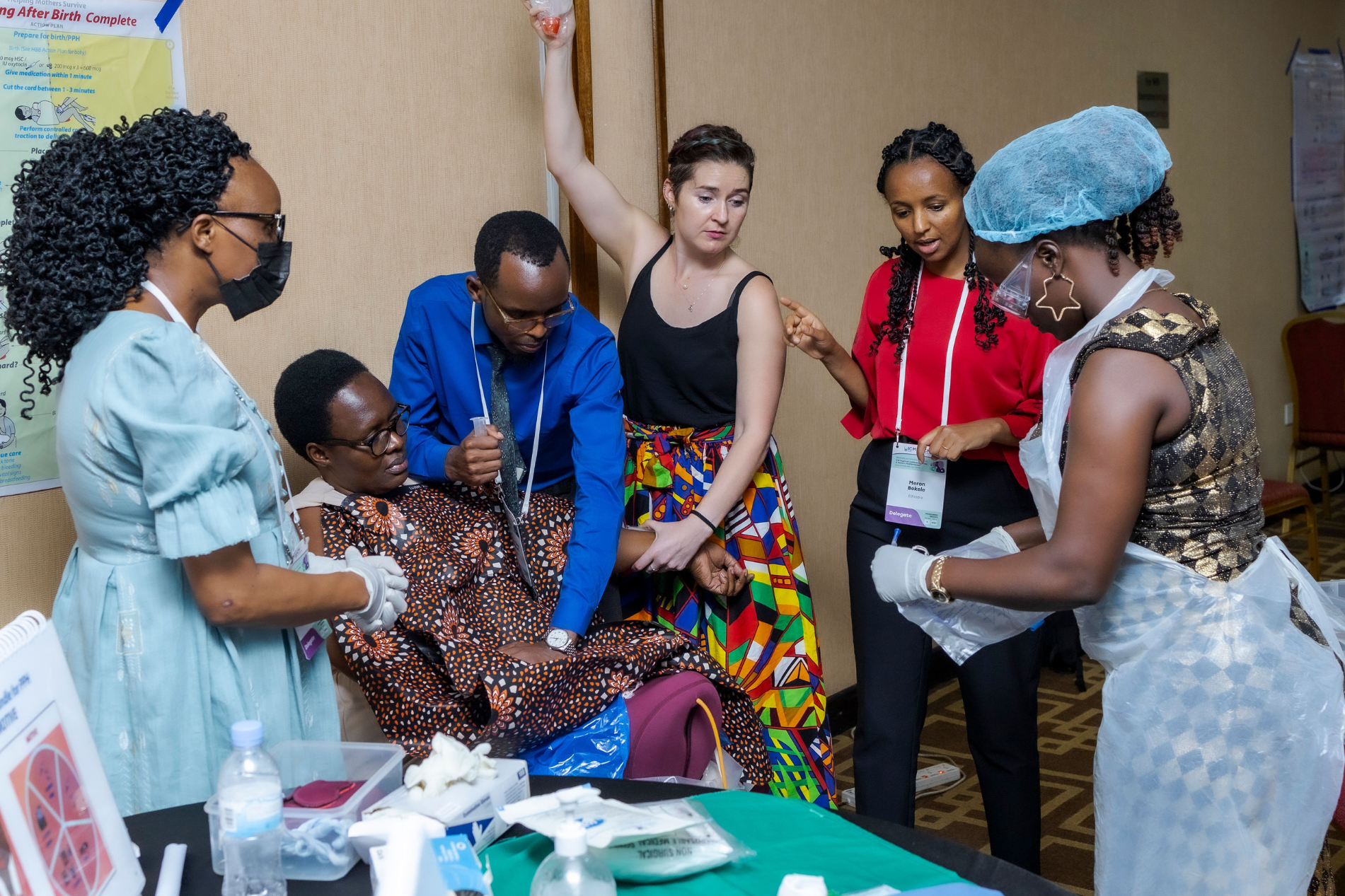
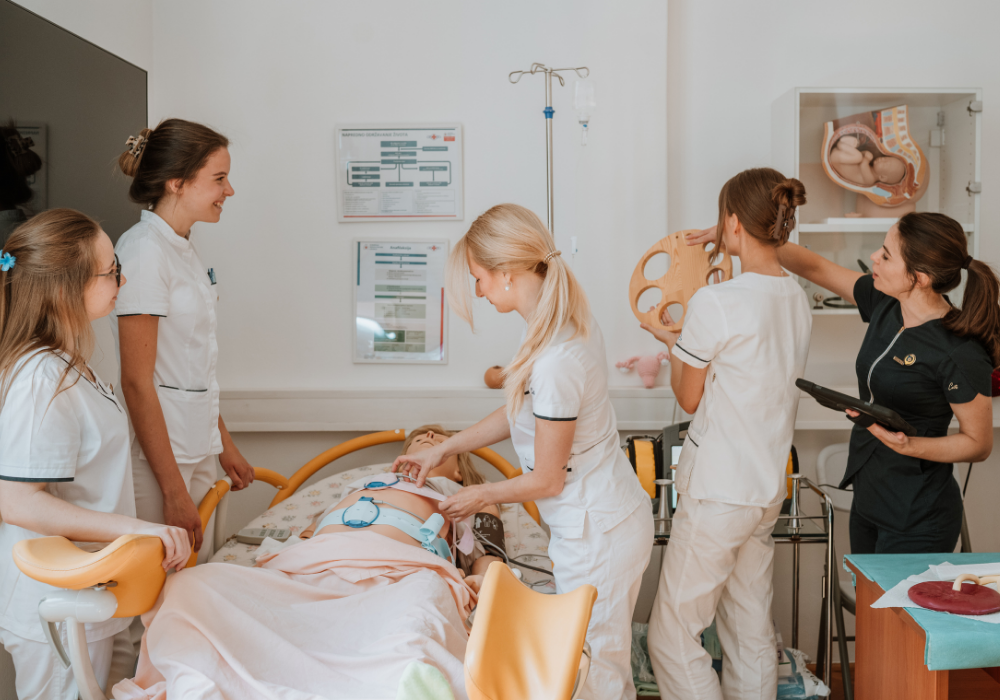
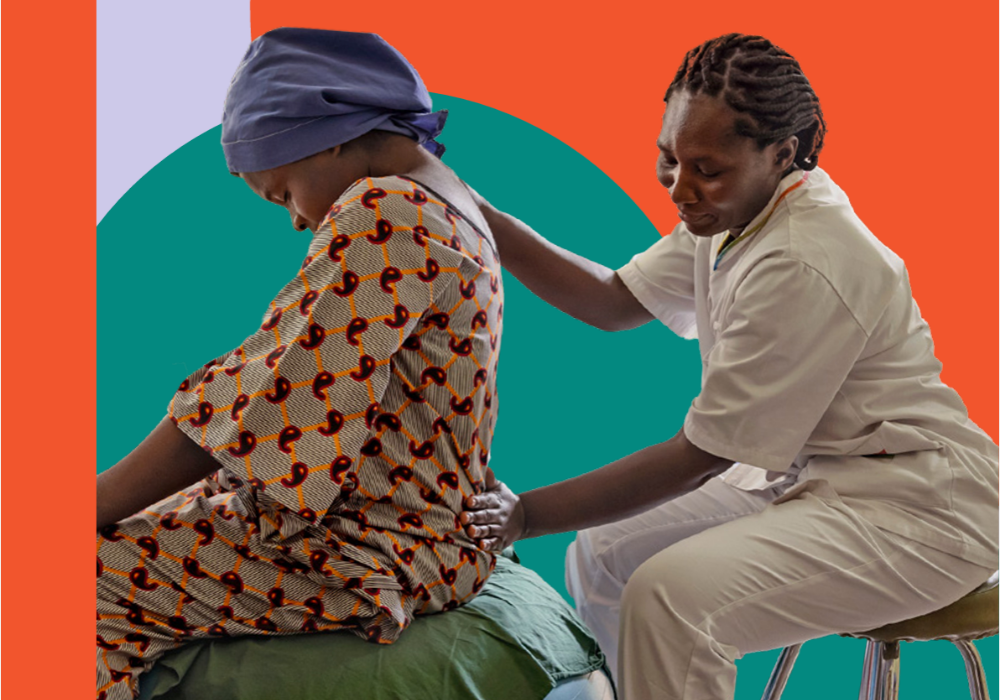
Person-centred care emphasizes partnership, empathy, shared decision-making, and recognition of women as active agents in their own care. Simulation-based learning offers a safe and structured environment where learners can practice clinical skills, decision-making, and teamwork without any risk to the patients. Both approaches are widely promoted in global, regional and national policy frameworks, yet evidence on how they can be meaningfully integrated into midwifery education, particularly in low-resource and fragile settings, remains limited.
As a research team based at the University of Gothenburg in Sweden, we have sought to address this gap through our engagement in a newly established bachelor-level midwifery education programme at the Evangelical University in Africa, in eastern Democratic Republic of Congo (DRC). Within this programme, person-centred care and strengthened simulation-based learning were introduced as core educational profiles, embedded across both theoretical teaching and clinical practice.
Our first paper, Evaluating the implementation of person-centred care and simulation-based learning in a midwifery education programme in the Democratic Republic of Congo: a study protocol, outlines the implementation framework guiding this work. Drawing on implementation science, the protocol describes how these educational approaches were introduced and how their implementation, mechanisms of impact, and outcomes are being systematically evaluated.
The second paper, Mechanisms of impact of a person-centred care model and simulation-based learning in midwifery education in Central Africa, presents qualitative findings from students and educators participating in the programme. The results demonstrate that person-centred care strengthened students’ communication, empathy, and responsiveness to women’s needs, while simulation-based learning enhanced confidence, clinical skills, and clinical decision-making.
Importantly, the findings highlight a synergistic relationship between the two approaches. Simulation-based learning provided a space where person-centred principles could be practiced in realistic clinical scenarios, while person-centred care increased the relevance and meaning of simulation. Together, they supported a shift in learning culture, from task-oriented training towards reflective, woman-centred midwifery practice. Although initial cultural resistance to person-centred care was reported, this resistance decreased over time as students and educators observed improvements in the quality of care and women’s experiences of the care. This highlights the importance of sustained engagement and contextual adaptation when introducing educational change.
These findings contribute to a growing global dialogue on how midwifery education can be strengthened in diverse and resource-constrained contexts. They underscore the importance of moving beyond isolated educational interventions and instead adopt integrated models that simultaneously develop clinical competence, confidence, and person-centred professional identity.
As global actors increasingly work towards harmonized approaches to midwifery education, this body of work offers empirical insight into how person-centred care and simulation-based learning can be implemented together in practice. The evidence emerging from the DRC context provides valuable lessons for ongoing efforts to inform future global standards for the integration of person-centred care and simulation-based learning in midwifery education, ensuring that midwives worldwide are prepared to deliver both safe and compassionate care.